Expert Tips to Keep Your Appliances Running Smoothly

Modern households depend on appliances every day, from refrigerators and washing machines to ovens and dishwashers. These essential machines make life easier, but when they break down, they can disrupt daily routines and create costly inconveniences. Appliance repair is an important part of maintaining a functional home, helping to extend the life of your machines, save money, and reduce unnecessary waste. By learning proper maintenance practices and understanding when to call for repairs, homeowners can keep appliances running smoothly for years.
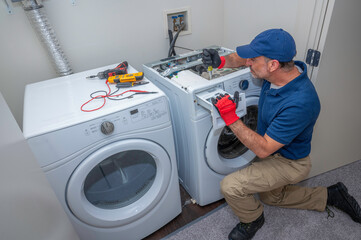
appliance repair

Why Appliance Repair is Important

Appliances are major investments, and replacing them too soon can be expensive. Regular repair and maintenance allow you to:

  • Extend Lifespan: Small repairs prevent bigger issues that could shorten the life of your machine.
  • Save Money: Repairing is often more affordable than buying a replacement.
  • Improve Efficiency: Well-maintained appliances use less energy, lowering utility bills.
  • Protect the Environment: Repairing instead of discarding reduces electronic waste.

Common Signs Your Appliance Needs Repair

Knowing the early warning signs of a problem can help you address issues before they escalate. Look out for these red flags:

  1. Unusual Noises – Grinding, buzzing, or rattling sounds often signal mechanical problems.
  2. Decreased Performance – If your fridge is not cooling properly or your oven takes longer to heat, repairs may be needed.
  3. Leaks or Moisture Build-Up – Washing machines, dishwashers, or refrigerators showing leaks need immediate attention.
  4. Strange Odors – Burning smells, musty odors, or gas-like scents should never be ignored.
  5. High Energy Bills – Appliances that suddenly consume more energy than usual may have hidden issues.

Appliance Repair for Different Household Machines

Each appliance comes with its own unique maintenance needs. Addressing common problems can help you avoid major breakdowns.

Refrigerator Repair and Maintenance

Refrigerators run 24/7, making them prone to wear and tear. Regularly clean the condenser coils to prevent overheating and check door seals for air leaks. If the fridge isn’t cooling properly, the problem could be with the thermostat, compressor, or motor. Prompt repairs keep food fresh and reduce energy waste.

Washing Machine Care

Washing machines often face issues like drainage problems, excessive vibrations, or water not filling correctly. To prevent damage, avoid overloading the drum, clean the lint filter, and check hoses for leaks. If the machine shakes or produces loud noises, the drum bearings or suspension system may need repair.

Dryer Maintenance

Dryers are convenient but can become fire hazards if not properly maintained. Always clean the lint trap after every use and periodically check the vent for blockages. If clothes remain damp after a cycle or the dryer overheats, the heating element or thermostat may need repair.

Oven and Stove Repair

When an oven fails to heat evenly or a burner doesn’t ignite, it may signal issues with the heating element or igniter. Regularly clean burners and oven interiors to prevent buildup that interferes with performance. If the oven gives off strange odors or cooks food unevenly, repairs are necessary.

Dishwasher Troubleshooting

Dishwashers may stop cleaning effectively due to clogged spray arms, dirty filters, or faulty pumps. Check the drainage system to prevent water pooling at the bottom. If you notice water spots on dishes or strange noises during cycles, a repair might be needed.

Preventive Maintenance Tips for Appliances

Preventive care is the key to avoiding costly repairs. Simple habits can keep your machines functioning longer:

  • Clean Regularly: Dust, grease, and dirt buildup can affect performance.
  • Follow Manufacturer Instructions: Using appliances as intended prevents strain and damage.
  • Avoid Overuse: Overloading washers, dryers, or dishwashers can cause premature wear.
  • Check Seals and Filters: Replace worn gaskets and clean filters frequently.
  • Schedule Annual Inspections: Professional checks can catch hidden problems early.

When to Repair vs Replace

It’s not always easy to decide whether to repair or replace an appliance. As a general rule, if the repair costs less than half the price of a new appliance and the unit is not too old, repair is the smarter choice. However, if an appliance is nearing the end of its lifespan—such as a refrigerator beyond 12 years or a washing machine over 10 years—it might be more cost-effective to replace it.

Safety Considerations in Appliance Repair

Attempting DIY repairs can sometimes be dangerous, especially with electrical or gas-powered appliances. Always unplug machines before inspecting them, and avoid tampering with wiring unless you have experience. For complex issues such as faulty motors, electrical shorts, or gas leaks, professional repair is strongly recommended.

Benefits of Regular Appliance Repair

Maintaining your appliances offers multiple advantages that impact your household in the long run:

  • Consistency in Daily Routines: Functional appliances make chores easier and stress-free.
  • Enhanced Safety: Preventing malfunctions reduces fire risks, gas leaks, and water damage.
  • Energy Efficiency: Properly working appliances consume less energy and water.
  • Sustainable Living: Repairing reduces waste and promotes eco-friendly practices.

Appliance repair is a critical part of keeping a household running smoothly. By learning to recognize signs of trouble, performing regular maintenance, and knowing when to call for repairs, you can extend the life of your machines and avoid unexpected breakdowns. From refrigerators and washing machines to ovens and dishwashers, each appliance requires care and attention. Investing in regular repair and maintenance not only saves money but also ensures efficiency, safety, and peace of mind in your home.

With the right approach, you can keep your appliances in top condition and enjoy their convenience for many years.

Cabinet Refinishing Vs Full Kitchen Remodel

Cabinet Refinishing San Jose CA

Cabinet Refinishing San Jose CA and replacement both offer an attractive solution for upgrading your home’s appearance. But which option is best for your goals and needs?

While cabinet refacing offers a quick way to refresh your cabinets, it can’t fix underlying issues like water damage or mold. It also locks you into your current kitchen layout, so if you want to change the flow and functionality of your space, a full remodel is the way to go.

Less Invasive

Cabinet refacing or replacement is an important decision when updating your kitchen. It has a big impact on both your renovation budget and timeline. It also impacts how your new kitchen looks and functions. As experts who’ve refaced and replaced thousands of cabinets throughout Chicagoland, we’ve seen how this choice impacts both the process and the final results.

Both refacing and refinishing are less invasive than a full kitchen remodel, which minimizes the disruption and downtime in your home during the project. Refacing is especially convenient if you want to keep your existing countertops, sinks, and appliances.

Unlike painting, refacing uses solid wood or composite materials that add durability to the finished product. This increases the lifespan of your cabinetry and reduces the risk of future damage or warping. In addition, refacing is a more environmentally friendly option, since it reduces the amount of waste generated by replacing your cabinets.

A cabinet refacing project is ideal if your cabinet boxes are structurally sound and you’re happy with the layout but want to modernize your kitchen’s appearance with updated doors, drawer fronts, and hardware. It’s also a great option if you’re looking to increase the value of your home by adding features like soft-close hinges and sleek, contemporary hardware.

On the other hand, if your cabinet boxes are damaged or outdated and you’re looking to improve the overall look of your kitchen, cabinet replacement may be the right solution for you. It’s typically more expensive than refacing, but it provides the opportunity to change the layout and make other upgrades that will enhance your kitchen’s functionality.

If you’re unsure which way to go with your cabinetry, consider hiring an expert to help you weigh the pros and cons of each option. With the help of an experienced professional, you can choose a renovation method that best suits your style, budget, and timeline.

Shorter Turnaround Time

Cabinet refinishing offers homeowners the chance to refresh their cabinets with a minimal investment. The process is typically much less time-consuming than a full replacement and can be completed in just a few days on-site.

The refinishing process begins with inspection and selective repairs, then moves on to cleaning, deglossing, light sanding or chemical stripping, wood filler, high-quality priming, and multi-stage topcoats that include conversion varnish or modern waterborne polyurethanes for durability. Frederick Painting technicians also test for lead-based paint and use containment to prevent the release of hazardous dust. The final step is to install new hardware.

This quick transformation allows homeowners to return to their daily routine faster and avoid prolonged downtime while the space is out of commission. However, the refinishing process does not hide any existing damage, and may require a revisit in the future to address new chips or scratches.

While refinishing offers a quicker solution than replacing cabinets, it is not the right choice for every homeowner. In fact, cabinet refacing is often a better choice if you have severe wear and tear on your cabinets or want to change the size or layout of the space. Cabinet refacing uses new materials to achieve an entirely new look, and can be upgraded with modern features like soft-close hinges and sleek handles that add function as well as value to your home.

In the case of cabinet refacing, it is essential to hire a professional installation service to ensure proper fit and finish of the new veneer and hardware. Professional installation will not only ensure a beautiful result, but also protect your investment by maintaining the structural integrity of the cabinet boxes and keeping up with industry best practices.

A full kitchen remodel requires a significant investment of both money and time. Considering the potential for disruptions in your daily routine and the time it takes to reinstall your appliances, it is important to consider your options carefully before committing to a major renovation project. Consult with a local expert at N-Hance to explore your options and help you determine the best choice for your needs and budget.

Aesthetically Pleasing

Cabinets are a major focal point in any kitchen, and they can significantly affect the overall look of your home. Replacing cabinets is expensive, but painting or refinishing your old ones can make them look brand new. However, it is important to keep in mind that if the basic structure and layout of your kitchen are outdated, simple updates won’t solve these issues. If you need to improve the functionality of your kitchen, a complete remodel is a more efficient option.

A full kitchen remodel can completely revamp your kitchen, aligning it with contemporary design while improving its efficiency and usability. It can also increase your home’s resale value by enhancing the appeal and comfort of the space.

One of the main reasons homeowners choose to remodel their kitchen is because they want to change the look and feel of the space. Adding a backsplash, changing the color of the walls, or even upgrading the appliances and fixtures can give the space a fresh new appearance that will make it more appealing to potential buyers. However, many homeowners struggle with finding the right look and style for their kitchen cabinets. Whether they’re too dark or the wrong size, they can really throw off the entire look of the room.

A cabinet refinishing project involves transforming your existing doors and drawer fronts by staining or painting them in a new color. The cabinets themselves remain intact, so this is a less invasive alternative to replacing them altogether. In addition, it is often cheaper than a replacement project and can be completed in much less time.

When it comes to refinishing your cabinets, the key is proper prep and care. This includes using a mild cleaning solution and avoiding harsh chemicals that can strip the finish. Then, it’s essential to allow the finished product to dry completely before reusing the cabinets.

If you are considering a cabinet refinishing project, be sure to consult with a professional to ensure quality results. They can help you choose the best color and style for your cabinets, and they can provide tips on how to properly care for them to preserve the finish for a long time.

Functionality

Cabinet refinishing is a sustainable option for homeowners. Reusing the existing materials of your cabinets prevents perfectly good wood from being discarded or ending up in landfills and reduces energy consumption by not having to manufacture new ones. It is important to hire professionals who specialize in refinishing to ensure the best results and to minimize the environmental impact of this renovation project.

Refinishing is not recommended for cabinets made of laminate or thermofoil, as the material cannot be sanded and will not allow the paint to adhere. This method is also not an option if you want to change the style profile of your cabinet doors, as this would require replacing them with new door and drawer fronts.

While cabinet refinishing is less expensive than a full kitchen remodel, it still requires significant financial commitment. If you are concerned about the financial aspect of this renovation, consider adding a few smaller upgrades that can make your kitchen feel brand-new without the cost and hassle of a complete remodel. For example, installing under-cabinet lighting or a new faucet can improve functionality and create a fresh new look for your kitchen.

Another advantage of cabinet refinishing is that it is much quicker than a complete kitchen remodel. A refinishing project is typically completed within a few days, which helps to minimize disruptions and downtime in your home.

In contrast, a full kitchen remodel can take months. This is due to the time involved in removing your old cabinets, installing new ones, and making any necessary adjustments to your kitchen layout. This type of large-scale renovation can be difficult to plan and execute, which can lead to delays and increase the overall cost of your kitchen remodel. As a result, you may not be able to use your kitchen for an extended period of time. This can also cause additional stress on your family and friends during the process. A cabinet refinishing or refacing project from N-Hance can give your kitchen a refreshed and updated appearance without the expense and inconvenience of a full kitchen remodel.